Most of what's in a California tax auction will lose you money.
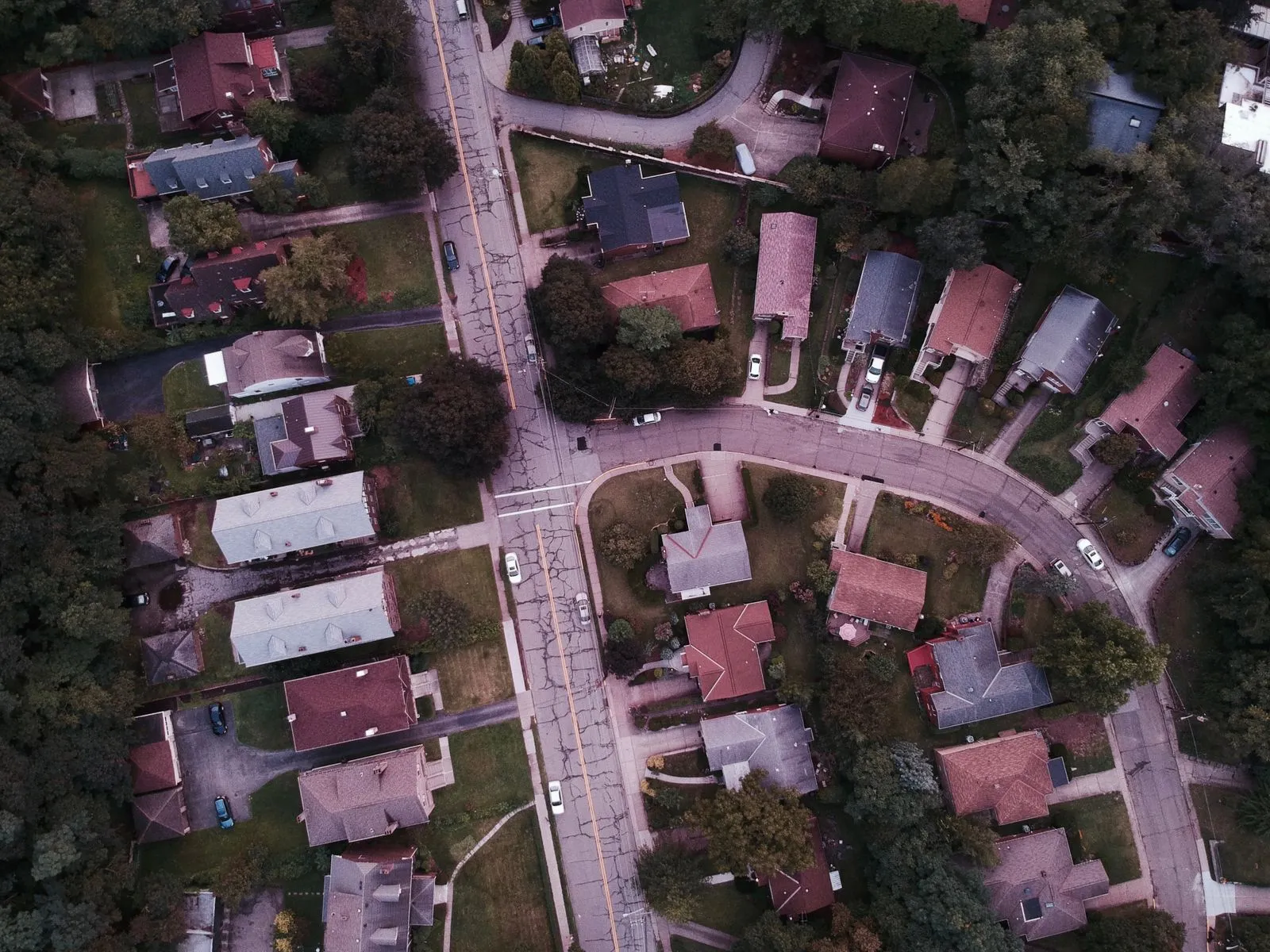
Paper lots with no road. Desert clusters a speculator already gave up on. Opening bids above what the county itself says the land is worth. We read every parcel against the county's own records and publish the few worth a look — free, before bidding opens.
- Parcels screened
- 5,099
- Worth publishing
- 2,853
- California counties
- 10
- Updated
- September 2026
Every sale we've read — the whole list, free.
Sortable, downloadable tables. Pick one and start digging.
El Dorado — November 2026 sale
- Real property
- 37 of 176 items
- Bid ÷ assessed, median
- 0.16
- Platform
- Bid4Assets
Placer — October 2026 tax land sale
- On the block
- 43 parcels
- Bid ÷ assessed, median
- 0.23
- Platform
- in person, Placer County Administrative Center
Los Angeles — 2026B online auction
- On offer
- 1,252 parcels
- Bid ÷ assessed, median
- 1.18
- Platform
- GovEase
What's coming, and when
Every California tax-deed sale we can verify between now and the end of the year — 8 of them. 4 already have our full read; the rest are dates the county has confirmed but has not yet put a list behind.
- September 14–16, 2026Kern County · GovEase$5,000 deposit; redemption closed 5 p.m. Friday September 11988 parcels
- October 17–20, 2026Los Angeles County · GovEase1252 parcels
- October 21, 2026Placer County · in person, Placer County Administrative Centerno pre-registration — $2,500 refundable deposit at 8 a.m. registration, cash or cashier's check43 parcels
- October 23–26, 2026Santa Clara County · Bid4AssetsThe county confirms a 2026 sale; its list is due early SeptemberList not out
- October 2026San Benito County · GovEaseThe county has published the month but not the dayList not out
- November 6, 2026El Dorado County · Bid4Assetsdeposit deadline not yet published — the county's posted terms are still last year's37 parcels
- November 13–16, 2026Calaveras County · Bid4AssetsDate from the auction platform, not yet confirmed by the countyList not out
- November 13–16, 2026Sutter County · Bid4AssetsDate from the auction platform, not yet confirmed by the countyList not out
Dates verified against each county or its own auction platform. Nothing here is inferred from last year's pattern.
One question — does this parcel have a street address? — did 89% of the cutting on Riverside's April sale. See the full math →
What a survivor row looks like
Every parcel that clears the filters carries its opening bid, what the county records say it's worth, and the structural risks we flagged.
| Item | APN | City | Min bid | Bid ÷ value | Flags |
|---|---|---|---|---|---|
| 4 | 107342039 | Corona | $78,368 | 9.2% | none |
| 6 | 130030001 | Eastvale | $18,230 | 1.4% | Mello-Roos possible — Mello-Roos possible: Tax-rate area suggests a special assessment. |
| 429 | 439170021 | San Jacinto | $54,942 | 14.4% | Commercial risk — Commercial risk: Business-owned — possible commercial/environmental history. Mello-Roos possible — Mello-Roos possible: Tax-rate area suggests a special assessment. |
| 673 | 639272007 | Desert Hot Springs | $25,082 | 6.8% | Mello-Roos possible — Mello-Roos possible: Tax-rate area suggests a special assessment. Bulk owner (near threshold) — Bulk owner (near threshold): Owner holds several parcels in this sale. |
Four real rows from the Riverside TC-223 shortlist. "Bid ÷ value" compares the county's opening bid to a third-party automated estimate, which is a starting hypothesis, not an appraisal.
One bad bid can cost more than the next ten good ones make back.
Tax-deed bidding is asymmetric. A good deal saves you some money; a paper lot or an environmental surprise can be an unrecoverable five-figure mistake. The county list won't warn you — that is what the flags are for.
Fair questions
Is this just another tax-lien-course grifter?
Reasonable suspicion — the niche is full of them. Here's how we're different: the entire reduction is six rules you can read, not a black box; we publish a full worked example on a closed sale with the real per-filter numbers, including the parts that didn't work; and we tell you flatly what we don't do (no buy/sell calls, no title search, no data guarantee). There's no upsell ladder, no $2,000 "masterclass," and nothing to buy — the research is free and the reasoning is all shown. Read the methodology and judge for yourself.
Is the research really free?
Yes. Every research post and the full Riverside brief are free to read, and the shortlist CSV is a free download — nothing is paywalled and there's no account to create. We're not running an upsell funnel or a paid course. If we ever publish a paid brief for a specific sale it will be clearly marked and entirely optional; the free research stands on its own.
Do you tell me what to bid?
No. We produce "worth a closer look" or "probably skip, here's why," never "bid" and never a number. Your maximum bid depends on your capital, your risk tolerance, and diligence only you can do on a specific parcel. A model has none of that, so it doesn't get a vote on the decision.
When is the next sale?
Whenever a California county posts its next list — usually about 90 days before the auction. Subscribe to the newsletter and we'll email you the day a list drops, with the sale dates and a first read on what's in it.
Which counties do you cover?
California tax-deed counties, one sale at a time, as each county posts its list. Published so far: Riverside, Santa Cruz, San Bernardino, Mariposa, Butte, Fresno, Kern, Placer and El Dorado — every upcoming sale we can reach is in the calendar above, and subscribers hear which one we're reading next.
What if parcels disappear between the brief and the auction?
They will — counties pull parcels as owners pay their taxes, sometimes right up to the sale. That churn is normal, and it's why the diligence checklist ends with a sale-morning re-check of the live auction list. The brief tells you what cleared the bar when the list was published; the final word on what's still biddable is always the auction platform.
Do I have to be in California?
No for most sales — many California counties run their auctions online; each brief names the platform for that sale. Out-of-area diligence is harder, though, and the physical-inspection step doesn't go away.
Is the data guaranteed?
No. The county PDF is the source of truth for the list, and we don't independently verify every owner name, tax-rate-area code, or bid amount against live assessor records. Automated valuations are a third-party model's estimates and are frequently wrong on atypical properties. Treat every number as a starting hypothesis to verify, not a fact.
Do I still need to do my own diligence?
Yes, always. The filtering gets you from "946 parcels, any of which could waste your money" to "175 that clear the structural bar, here's the reasoning on each." Pulling title, checking environmental records, and inspecting the property are still on you. The deed is yours; the eviction, if there is one, is still your problem.